(A NewsLeader Editorial, Tuesday, October 6, 2026)
The true measure of a nation’s greatness is not merely the height of its skyscrapers, the size of its economy, or the volume of crude oil it exports. It is also measured by how long its citizens live, how healthy they are, and whether ordinary people can obtain quality medical care without falling into poverty.
By this standard, Nigeria still faces a troubling reality as millions of her citizens continue to battle disease, poor access to healthcare, inadequate nutrition, and rising medical costs in one of Africa’s largest economies.
Nigeria today stands at a critical crossroads. With a population estimated at over 227 million people, the country possesses enormous human resources and economic potential. Yet the health status of the people remains a major concern. The average Nigerian lives significantly fewer years than citizens in many other countries.
According to World Health Organization (WHO) estimates, life expectancy in Nigeria is slightly above 53 years, compared to a global average of over 73 years. In countries such as Japan, Switzerland and Singapore, life expectancy exceeds 83 years. This means that an average Nigerian may live nearly three decades less than citizens of some developed nations.
These figures are not mere statistics; they are reflections of human suffering, preventable deaths, weak institutions and missed opportunities. A nation where many citizens do not live long enough to enjoy retirement, raise grandchildren, or contribute fully to national development cannot attain its true potential.
The current health condition of Nigerians presents a mixed picture. On one hand, there have been improvements in immunisation, maternal health programmes, and the fight against diseases such as polio. On the other hand, the country continues to struggle with old and emerging health challenges.
Malaria remains one of the leading causes of illness and death, especially among children and pregnant women. Nigeria continues to carry one of the highest malaria burdens globally. Tuberculosis, HIV/AIDS, cholera, Lassa fever and other infectious diseases still pose serious threats. Meanwhile, non-communicable diseases such as hypertension, diabetes, cancer, kidney failure and heart disease are increasing rapidly due to changing lifestyles, poor diets, stress and inadequate preventive care.
Maternal and child mortality also remain alarmingly high. Thousands of women die yearly from complications related to pregnancy and childbirth, while many children do not survive beyond their fifth birthday. Poor nutrition, inadequate antenatal care, lack of skilled birth attendants and weak health infrastructure continue to contribute to these tragedies.
Another silent crisis confronting Nigeria is mental health. Economic hardship, unemployment, insecurity, social dislocation and rising cost of living have increased anxiety, depression and emotional distress among citizens. Unfortunately, mental healthcare remains underfunded and poorly understood.
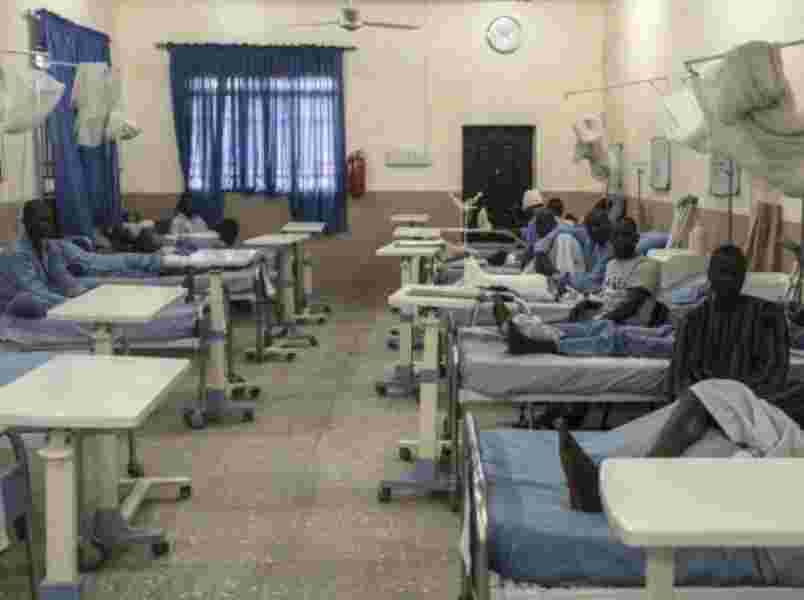
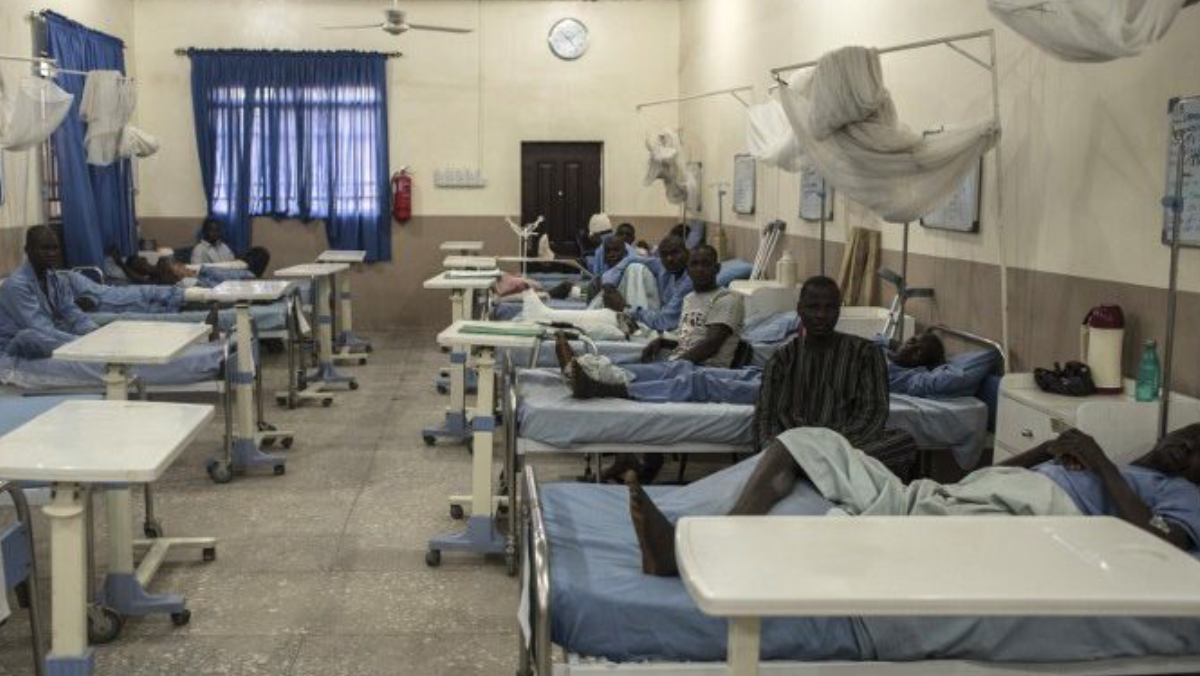
Healthcare financing remains one of the weakest links in Nigeria’s health system. WHO data indicate that Nigeria spends only about 4 percent of its Gross Domestic Product (GDP) on health, far below the level required for effective healthcare delivery. Public hospitals are often overcrowded, under-equipped and understaffed. Many citizens pay directly from their pockets for treatment, medicines and diagnostic tests. This pushes millions of households into poverty every year.
The exodus of Nigerian doctors, nurses and other health professionals to Europe, North America, the Middle East and other destinations has worsened the situation. Better salaries, improved working conditions and greater opportunities abroad continue to attract medical personnel away from Nigeria. The result is a dangerous shortage of healthcare workers in many communities.
Rural areas suffer even more. Numerous villages lack primary healthcare centres, essential drugs, electricity, clean water and trained personnel. Pregnant women still travel long distances to seek medical attention. Some communities rely on unregulated traditional medicine because formal healthcare facilities are unavailable or unaffordable.
It is impossible to discuss health without mentioning the social and economic conditions affecting Nigerians. Poverty remains a major determinant of ill health. Millions of people cannot afford nutritious food, quality housing or medical treatment. Food inflation has made balanced diets beyond the reach of many families. Malnutrition among children remains a serious concern, while poor sanitation and unsafe water expose communities to preventable diseases.
Environmental conditions also play a role. Air pollution in urban centres, oil pollution in the Niger Delta, flooding, poor waste disposal and inadequate urban planning contribute significantly to disease burdens. Climate change is equally creating new health risks, including the spread of infectious diseases and food insecurity.
The relationship between health and national development is direct and undeniable. A healthy population is more productive, more innovative and more capable of driving economic growth. Conversely, a sick population increases government expenditure, reduces productivity and weakens national competitiveness.
WHAT MUST BE DONE TO SAVE THE CITIZENS HEALTH
First, government at all levels must increase investment in healthcare. Health expenditure should not be viewed as consumption but as investment in human capital. Nigeria must move closer to international commitments on health financing and ensure that available funds are transparently managed.
Second, primary healthcare must be revitalised. Strong primary healthcare centres in communities are the foundation of every successful health system. Citizens should not need to travel hundreds of kilometres to access basic medical services.
Third, health insurance coverage must be expanded. Millions of Nigerians remain outside formal health insurance schemes. Universal health coverage should become a national priority so that citizens can access healthcare without financial hardship.
Fourth, government must improve welfare for health workers. Better salaries, modern facilities, training opportunities and conducive working conditions are essential to reduce the migration of doctors and nurses.
Fifth, preventive healthcare must receive greater attention. Public education on nutrition, exercise, sanitation, vaccination and healthy lifestyles can significantly reduce disease burdens. Prevention is cheaper and more effective than treatment.
Sixth, investments in water supply, sanitation and environmental protection are equally investments in health. Clean water, proper waste disposal and healthier living environments save lives.
Seventh, partnerships with the private sector, civil society organisations, development partners and communities are necessary. Healthcare cannot be left to government alone. Every stakeholder has a role to play.
Technology also offers opportunities. Telemedicine, digital health records, mobile health services and local pharmaceutical production can improve access and reduce costs.
Above all, Nigeria needs a new national attitude toward healthcare. The health sector should no longer be treated as an afterthought. Leaders who travel abroad for medical treatment must understand that true leadership means building systems that serve all citizens, not only the privileged few.
A country aspiring to become one of the world’s leading economies cannot ignore the wellbeing of its people. Roads, bridges and industries are important, but human beings remain the greatest asset of any nation. Without healthy citizens, development becomes an illusion.
The story of Nigeria’s health system is not entirely one of despair. There are dedicated doctors, nurses, pharmacists and community health workers making sacrifices daily. There are institutions and programmes that have recorded successes. There are examples from other countries showing that transformation is possible.
What is required now is political will, sustained investment and collective action.
Health is not a luxury. It is a right. It is not merely a sector; it is the foundation upon which national prosperity rests.
Nigeria must therefore make a deliberate choice: continue to manage sickness or build a system that promotes wellness, dignity and longer life for all citizens.
For indeed, a nation cannot become great if its people are too sick to dream, too poor to seek treatment, or too weary to hope.
That is the challenge before Nigeria today. NNL.