
- Unveils 7-Point Test For Reporting Terrorism
By Celestine Okafor (Editor-in-chief)
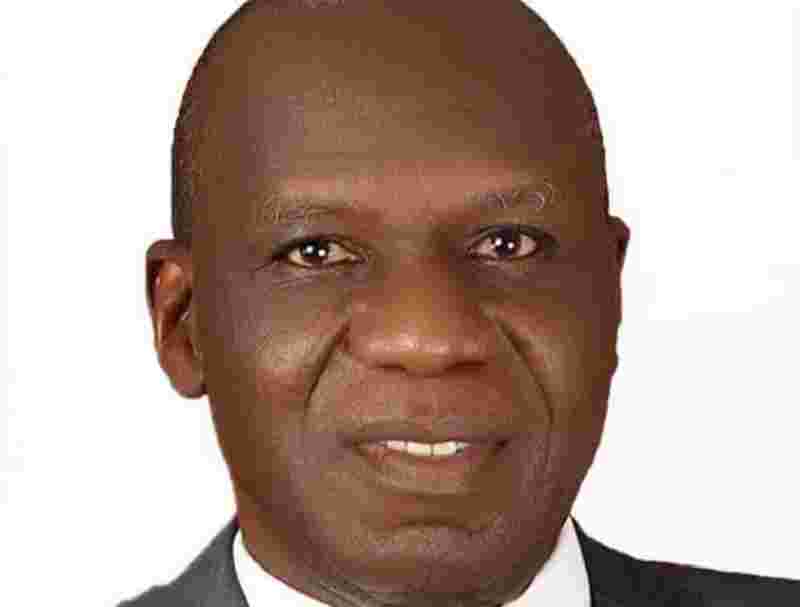
As confab deliberations for the 22nd Edition of the All Nigeria Editors Conference (ANEC 2026) continues on its Day-2 in Enugu, Dr. Tony Onyima (fnge), a former Group Managing Director and Editor-in-chief of the SUN Newspapers has delivered a hard-hitting blueprint for newsrooms across Nigeria covering insurgency, banditry and violent extremism.
Dr Onyima, in his scholarly presentation, urged the converging editors to draw a clear ethical line between informing the public and amplifying the propaganda of terrorists and insurgents, as the media grapples with one of its most dangerous editorial challenges.
Delivering a keynote contribution as a panelist at the ANEC event holding in Enugu, Onyima warned that terrorists deliberately weaponise the news cycle, and that a careless headline or an uncontextualised video can turn a newsroom into an unwitting distribution channel for violent propaganda.
The Paul University, Awka, Anambra state faculty member of Mass Communication, said “Terrorists’ attack may be directed at a person, institution or community, but the psychological target is the larger public".
He told the gathering of editors from across the country that “The central principle is therefore to report the act, its consequences and its public significance, and not the terrorist’s propaganda as propaganda.”
Onyima identified three major ethical traps facing newsrooms. First, he said, terrorist groups, like good news editors, understand modern media logic, which are: speed, drama, novelty, conflict and emotional impact, and they exploit it ruthlessly. He cited the notorious “Mr. Jomo Gbomo” persona of the Niger Delta militant group called MEND as a classic example of a phantom spokesman manufactured purely for media effect.
“They release statements immediately after an attack, provide videos designed for maximum emotional impact, issue threats, manipulate journalists through exclusive access, stage incidents for dramatic images, and use social media to bypass editorial gatekeepers,” he said.
“The danger is that the newsroom may inadvertently allow the terrorist organisation to determine what the public sees, when it sees it and how it interprets it. The terrorist becomes the news editor.”
Second, Dr Onyima warned that the line between information and amplification is easily crossed. While the public has a legitimate right to know what happened, who was affected and what authorities are doing, reproducing lengthy statements, slogans, graphic videos, recruitment appeals and uncontextualised threats crosses into publicity.
Third, he noted the conflict between the public interest and the duty to minimise harm. “Is this information true?” is no longer enough, he argued. “The more important editorial questions are: ‘Is this information necessary?’ and ‘Does publishing it serve the public interest sufficiently to justify the potential harm?’”
The Mass Communication scholar prescribed a clear editorial menu, stating thst newsrooms should prioritise verified, relevant and actionable information: the date, location and nature of the incident; confirmed casualties and displacement; public safety alerts such as road closures and evacuation information; official responses from security agencies and emergency services; independent corroboration; and the broader context of the group or conflict.
Equally, he said, editors must exercise caution with or outrightly exclude terrorist propaganda videos, recruitment material, ideological manifestos, graphic images, slogans and chants, threats reproduced without context, instructions for violence, unverified casualty figures and claims of responsibility, and material that could compromise security operations.
Dr Onyima issues a rule of thumb: “If the information advances the terrorist’s communication objective more than it advances the public’s understanding, reconsider publication.”
On terrorist statements, Onyima was emphatic: “A terrorist statement is not automatically news simply because a terrorist organisation issued it. ” Instead of reporting “Terrorist Group X says it has defeated security forces,” he recommended: “Group X has claimed responsibility for the attack, although authorities have not independently confirmed the claim.”
On videos, he offered a four-word formula: “Verify, evaluate, contextualise, minimise.” Before publishing, newsrooms should ask whether the video is authentic, who produced it, whether its content has been independently verified, whether the public genuinely needs to see it, whether it contains graphic violence or identifies victims, and whether it primarily seeks to recruit, intimidate, glorify violence or promote ideology.
Perhaps the most striking moment of the presentation came when Onyima offered a simple editorial test: “If the terrorist organisation could choose the headline, photograph and first 30 seconds of our report, would they choose what we are about to publish? If the answer is yes, the newsroom should reconsider its treatment.”
He listed warning signs of inadvertent publicity: sensational headlines, excessive repetition of the group’s name, prominent display of terrorist imagery, broadcasting entire propaganda statements, repeatedly showing graphic footage, allowing threats to dominate coverage, and giving disproportionate attention to perpetrators rather than victims.
Onyima distilled his presentation into five practical newsroom principles: Inform, Don’t Amplify; Verify Before You Amplify; Contextualise Every Claim; Minimise Harm; and Put the Public Interest Before the News Cycle.
He then unveiled a 7-Question Terrorism Reporting Test that he urged editors to adopt as a newsroom checklist: Is it verified? Is it newsworthy? Is it necessary? Are we amplifying? Have we contextualised? Could publication cause harm? Is there a safer way to tell the story?
The presentation also offered practical language guidance. Instead of “Terrorists announce…”, use “The group claims…”. Instead of “Terrorists have defeated…”, use “The group claims to have…”. Instead of reproducing a lengthy manifesto, summarise it and state clearly that the claim has not been independently verified. And instead of repeatedly showing terrorist imagery, use neutral images of the affected location, emergency responders, official briefings, affected communities and recovery efforts.
“This shifts the focus from the perpetrators’ spectacle to the public consequences of terrorism,” Onyima advised his colleagues.
In his closing statement that drew nods of agreement across the hall, Onyima declared: “The media cannot prevent terrorists from speaking. But journalism can decide whether their message becomes information or amplification. Our responsibility is neither to silence the news nor to become the terrorist’s megaphone.”
He added: “In the battle for public attention, the newsroom must remain a gatekeeper, not a loudspeaker.”
The presentation was one of the high points of the ongoing 22nd Edition of ANEC, 2026 holding in Enugu State, where editors are deliberating on the theme of responsible journalism, national security and the future of Nigeria’s media landscape. Onyima’s intervention is expected to shape newsroom policies on terrorism coverage for years to come. NNL.