


(A Nigerian NewsLeader News Analysis of President Bola Tinubu's Independence Day Speech)
By Celestine Okafor (Editor-in-chief)
He had hardly rested from the long journey of his weeks of presidential annual vacation in Europe when the October 1, Nigeria's independence anniversary ritual at the State House came.
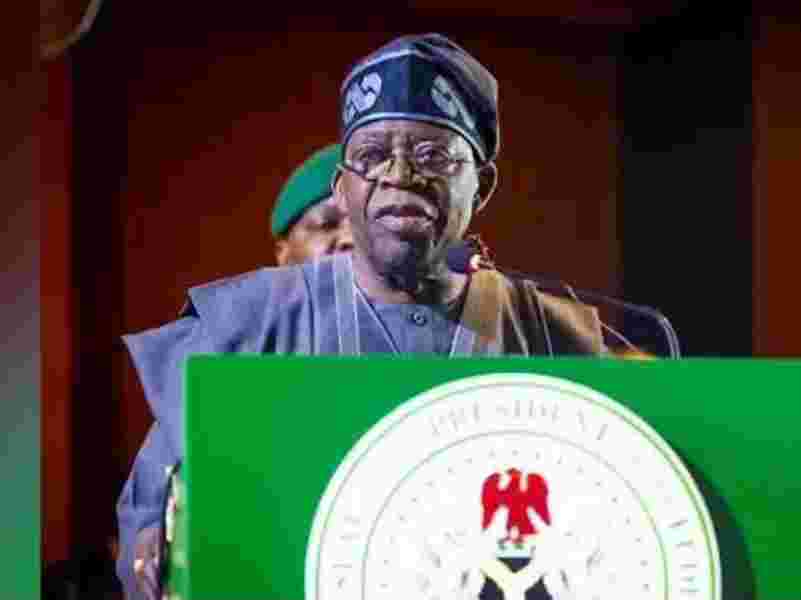
President Bola Ahmed addressed the nation today, Thursday, October 1, 2026 about the state of Nigeria under his watch, the progress so far made, the challenges of his administration and what the nation should expect from his regime in the coming years.
Tinubu’s 66th Independence Day address today has drawn a clear line between the difficult economic reforms of his first three years in office and what he now calls the “age of prosperity.”
Under the theme, “From Reforms to Prosperity,” the President argued that Nigeria has endured the painful part of its economic adjustment and is now positioned to reap the benefits. He dramatically declared that the country had “passed through our own Red Sea” and urged Nigerians not to look back.
The message is essentially one of transition: from correcting what the administration describes as long-standing economic distortions to delivering prosperity that Nigerians can actually feel in their daily lives.
Tinubu defended the removal of fuel subsidy and other reforms, describing them as painful but necessary treatment for structural weaknesses that had accumulated over decades. He argued that previous governments postponed difficult decisions and relied on unsustainable arrangements.
According to the President, there are now signs of improvement in the area of economic growth of more than four per cent in 2026, contributions from both the oil and non-oil sectors, reduced oil theft, lower inflation from its peak, rebuilt foreign reserves, a more stable foreign-exchange market and non-oil export earnings exceeding $6 billion in 2025.
But the most important part of the address may not be the statistics. It is the President's acknowledgement that millions of Nigerians are still struggling with food costs, school fees, medical expenses and transportation.
This is where the real test of the administration's “age of prosperity” begins.
For the average Nigerian, economic recovery is ultimately measured not only by GDP growth, foreign reserves or export receipts, but by the price of food in the market, the availability of jobs, purchasing power, electricity supply, transport costs and the ability of families to meet basic needs.
Tinubu therefore promised a new emphasis on lowering production and transportation costs, expanding mechanised agriculture, improving storage, roads, rail and ports, reviving industries, using gas to power factories, expanding digital connectivity and creating productive employment. He also pointed to NELFUND, CREDICORP and targeted social assistance as bridges for vulnerable citizens while the broader economy grows.
The President's challenge is consequently straightforward: the promised prosperity must move from presidential rhetoric and economic indicators into the household.
Nigeria has heard promises of transformation before. What citizens need now is measurable improvement in their standard of living.
If the reforms have indeed corrected the nation's economic direction, the next phase must demonstrate their dividends through cheaper food, productive jobs, stronger local manufacturing, affordable transportation, reliable electricity and greater purchasing power.
That is the significance of Tinubu's “Red Sea” analogy. Crossing the sea may symbolise overcoming the most difficult part of the journey, but it does not itself constitute arrival in the Promised Land.
The President has declared that Nigeria's destination is now prosperity. The responsibility before his administration is to make that prosperity visible, measurable and broadly shared.
At 66 years, therefore, Nigeria enters another chapter with a familiar national hope: that the sacrifices of today will genuinely produce a better tomorrow. The coming years will determine whether the President's declaration of an “age of prosperity” becomes a defining economic reality or remains another ambitious promise in Nigeria's long history of postponed expectations. NNL.