By Our Reporter
The Federal Government has given a firm nod of affordable electric mass transit to the Renewed Hope Electric Transportation Initiative (RHETI), a private-sector driven plan to deploy affordable electric mass transit across all six geo-political zones.
However, the endorsement came with a clear warning: good intentions will not move buses. The words of the promoters must be the lived realities of Nigerians.
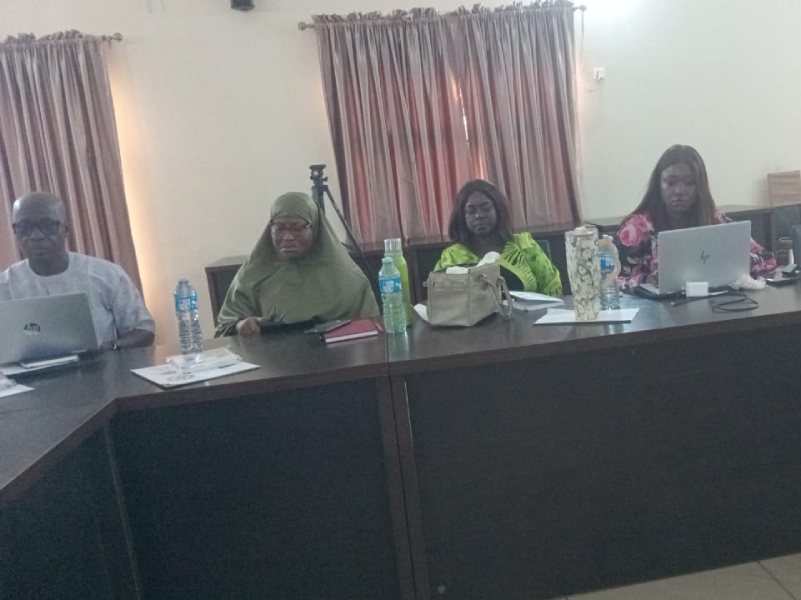
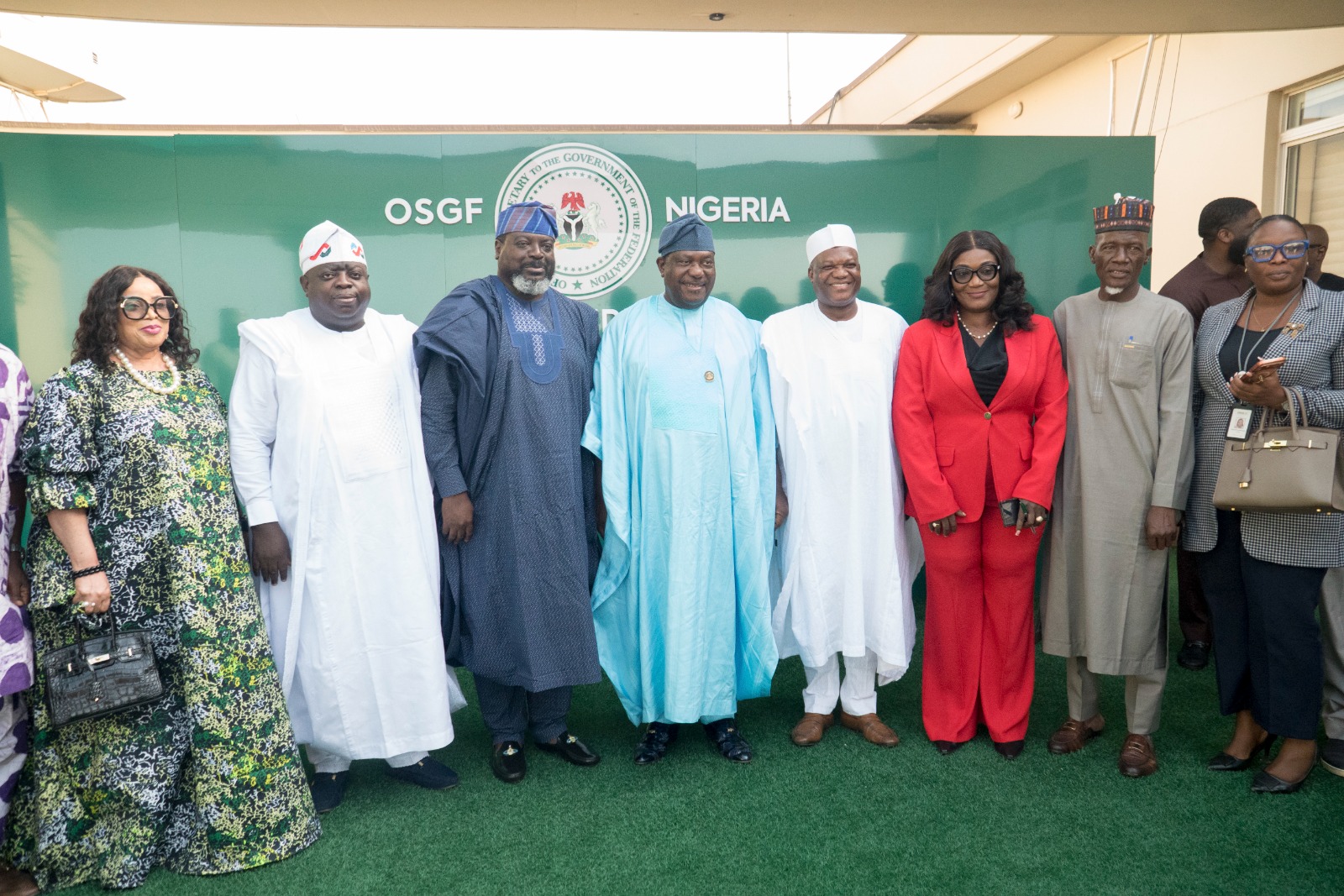
These were the words of the Secretary to the Government of the Federation, Senator George Akume (CON), at a meeting with the promoters of the Initiative in his office on Thursday.
Akume opened with a picture every Nigerian recognises: "It is six o'clock in the morning in Kubwa. The same scene is playing out in Ikorodu, Nkpor, Rigasa, and Rumuokoro. A young nurse stands by the roadside waiting for a bus, and while she waits, she is doing arithmetic in her head. How much of today's pay will be gone before she even reaches the hospital gate? Millions of our people do that sum every morning. That sum is the reason we are gathered here today."
He said President Bola Ahmed Tinubu (GCFR), took the right decision in removing fuel subsidy, a decision postponed for decades, but the President has never pretended it came without pain — and transport cost has been among the sharpest pains.
The meeting was held following a letter dated September 16 and addressed to the Office of the SGF, proposing electric mass transit for all six geo-political zones. The letter was signed by Dr. Madisca Achile, Convener and Initiator of RHETI.
The Office, Akume said, read the letter carefully, found it serious enough to invite the promoters to make their case in person — and was glad it did.
What caught his attention, he said, was what the proposal did not ask for:
"In this building we receive a great many proposals, and most of them, sooner or later, find their way to the same address: the federal budget. This one is different. Dr Achile, you have said that you did not come here with a begging bowl, and I take you at your word. You are telling government: we will bring the capital; give us your blessing, your coordination and the right environment, and let the results speak for themselves."
This, Akume said, is exactly the kind of partnership the Renewed Hope Agenda has asked of the private sector from the very beginning.
Akume listed four reasons government is taking the Initiative seriously:
- Cost of living: Cheaper fares and less money spent on fuel mean more left at the end of the month for food, school fees, and rent. For a family that spends a large part of its income on transport, that is the difference between managing and struggling.
- Energy transition: The Initiative strengthens — not detours from — the Presidential CNG Initiative and Nigeria's Energy Transition Plan. It shows the world Nigeria intends to be a participant in the energy transition, not a spectator.
- Jobs: Every bus needs a driver. Every fleet needs technicians. Every route needs charging stations. In time, there is room for local assembly and manufacture of parts. The promoters are already working with the National Directorate of Employment to train young Nigerians to repair and maintain electric vehicles.
- Fairness to every zone: No zone should be left out. When all six zones see the same benefit at the same time, no Nigerian has to look at another region and wonder when their own turn will come.
Akume welcomed the promoters' approach: one pilot route in one city in each zone first; growth afterwards, based on results; and regular reports to his Office on jobs created, kilometres covered and money saved by commuters.
But Akume was blunt that approval is not yet given. As SGF, he said, his duty is to ask the hard questions:
"Good intentions do not move buses. Electricity moves them. Maintenance keeps them on the road. Sound management keeps fares within reach and passengers safe."
He demanded clear answers on power supply and charging infrastructure, standards and safety, how fares will be set and kept affordable, and the role of State Governments whose cities will host the pilot routes.
"These are not obstacles. They are the foundations on which the whole project will stand or fall."
On the promoters' requests, Akume said bringing the Federal Ministries of Transportation, Power and Finance, the Presidential CNG Initiative and the National Automotive Design and Development Council to the same table is precisely what his Office exists to do — and it will do it.
Questions of incentives and use of national symbols, he added, involve processes beyond a single meeting and will be handled properly, through the right channels, and in good time.
To that end, a team from the Office of the SGF, working under the Permanent Secretary, Political and Economic Affairs, has been constituted to work closely with the promoters.
Akume said he looks forward to receiving an implementable framework: the pilot cities, deliverables and timelines, funding model, and outputs and outcomes by which success will be measured. That framework will guide final consideration and, he hopes, approval.
He closed where he started — with the nurse in Kubwa.
"If, some months from now, she steps onto a clean, quiet and affordable bus, and arrives at work with money still in her purse, then together we will have done something worthwhile. That is what Renewed Hope looks like on our streets."
He thanked the promoters for their vision and confidence in Nigeria, and the Grand Patrons for lending their names and experience to the cause.
Speaking earlier, Achile said that the initiative couldn't have come at a better time considering the values that would be added to the transportation business in Nigeria, noting that the SGF has always expressed his desire to support any laudable initiatives that would reduce and alleviate poverty in Nigeria.
"The SGF said he would support anything that would reduce poverty in the country. That is why I come up with this idea to bring electric vehicles that would ease mass transportation at an equally affordable rate throughout the federation.
"We are here to add value to the agenda of Mr. President and we are doing this without asking a kobo from the Federal Government. We are here just to get approval and this is a way out to contribute to mass transit in the country and the reduction of the cost of transportation,", he stated. NNL.