

By Chooks Oko
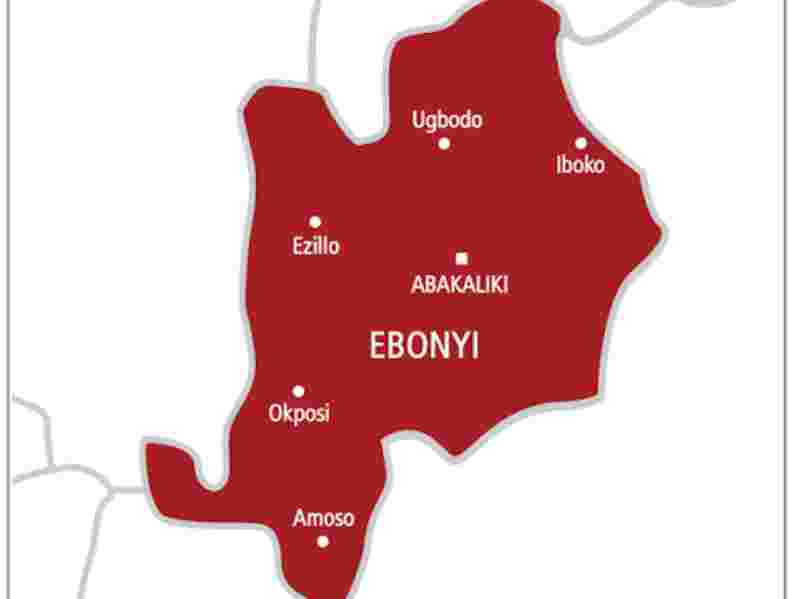
Whenever I look back and reflect on the Ebonyi State story, I raise my eyes to heaven, raise my glasses to cheer, I raise my shoulders in pride. It is a story that breaks the heart, mends, and gladdens it all at once. It is a song of desolation, consolation, rejuvenation and exaltation in one fell swoop. Ebonyi is a tale only understood by the tellers.
For the records, Ebonyi is an amalgamation of two brothers whose common denominators were neglect, crude marginalization and the attendant denigration. In old Imo state, the Afikpo bloc was a dumping site for punitive transfers of civil servants. No access roads, no infrastructure, and the acclaimed 'Siberia' of the state. They were at the far end of the state where they were treated as an unwanted appendage to other decent people. This continued in Abia.
In the old Anambra State, the Abakaliki bloc were seen as sub humans with all manner of derogatory sobriquets to drive the point home. Government amenities were luxuries told as fairy tales, while access roads existed in imaginations. It continued in Enugu state. Little wonder Reuben Abati, writing in his column in the Guardian once described Ebonyi as "a state which other Igbos do not see as real Igbo".
Again, their situation and circumstance were akin to the vagaries of the slaves in American plantations where the good life was only told in stories of utopic expectation.
Yet, the people persevered, trudged on in resilience, hardwork and a sense of purpose.
Then began the agitation for the creation of the state to the chagrin of others. They wondered loudly what the state was needed for. Yet, some mouthed that the state will not have enough manpower to conduct its affairs. Others felt the two brothers cannot survive together. The sceanario looked hopeless.
That was the situation on ground when General Sani Abacha created Ebonyi State, alongside others in 1996 after a struggle that lasted nearly thirty eight years.
Thirty years on, you would wonder if the stories told above really happened.
For one, since creation, Ebonyi did not, and has never borrowed manpower from anywhere to carry on the business of governance. Instead, it has continued to supply the country and the world at large with needed manpower. Record of the most peaceful and productive Senate was under the leadership of an Ebonyi man, Anyim Pius Anyim. The most results driven works minister since Nigeria's existence is an Ebonyi man, David Nweze Umahi. The first African to earn a PhD in Mathematics and Computer science is an Ebonyi man, Offia Nwali of blessed memory. Akanu Ibiam, Martin Elechi, Chris Nwankwo, late Andrew Nwankwo, Mark Abani, Joe Abba, Tekno, Pato Rankin, Angela Okorie, Chacha Eke Fanny, Ugo Doris, May Yul Edochie and a host of others have all made their mark in different fields of endeavour.
Ebonyi has produced Rear Admirals, Major Generals, Air Marshals, DIGs like Enyinnia IbeEnwo, Augustine Oko, Obi Umahi, Egwu Ogba and plenty other officers in the military and other security services. Their lawmakers are exceptional. Even in the current dispensation, Chinedu Ogah and Iduma Igariwey stand out, just like their jurists in the apex courts of the country. They are all Ebonyi children. Proudly so.
There are over six universities in Ebonyi State today with a legion of professors of Ebonyi State origin. The products of these schools tell of the quality of tutelage they receive.
The buildings in David Umahi Federal University of Health Sciences, Uburu and ICT University, Oferekpe rank among the most aesthetic, gigantic and ingenious in West Africa. One was built by David Umahi, the other by Francis Nwifuru, proud Ebonyi sons.
The road network that used to be a nightmare is now well laid out and better than most states in the country. Bridges connect kith and kin across age long divides that nobody dreamt of ever bridging.
Ebonyi in thirty years is celebrating years of purposeful leadership, truthful governance and filial trust that has engendered unprecedented development.
At the creation of the state, it was christened "salt of the nation" by the leaders as a state identity. This beautiful and prophetic slogan was soon decisively turned to "dust of the nation" by cynics in deference to the red dust that was a result of untarred roads and lack of basic infrastructure. All that belongs to the past now. Successive administrations in the state has fully stamped Ebonyi as the salt of the nation. The indigenes are honest, hardworking and trustworthy. They are humble, empathetic and multi talented. They add a moral rectitude to the national question wearing integrity as second nature.
As the state celebrates its thirty years of state hood, they really have a lot to thank God for.
From the pioneer Military Administrator to the current Governor, it has been a bouquet of good governance without exception. Taking over from the military, Sam Egwu established firm and solid foundations in Education and sundry pillars of governance; Elechi consolidated on this, built massive bridges that glued the state together; while Umahi went wild with solid structures that announced the state in many firsts across the nation.
The current governor, Nwifuru is tackling all areas in a humongous consolidation drive. All unfinished projects of past administrations are being finished, the civil service has been rejuvenated with a new workforce of over four thousand new blood, promotions and concomittant entitlements have been sorted out while all owed pensions and gratuities have been cleared. Health centres and general hospitals are being given a new life with resident doctors, ambulances and sundry equipment. Over one thousand and five hundred scholarships to several foreign and local universities are being enjoyed by Ebonyi children while multiple rural roads are being built. All these stands Ebonyi tall, high above its peers and older colleagues.
As the citizens roll out the drums, please clink glasses with them and celebrate a people with uncommon destiny.
...Chooks Oko, a Fellow of the Nigerian Guild of Editors (NGE) writes from Abuja. NNL.