

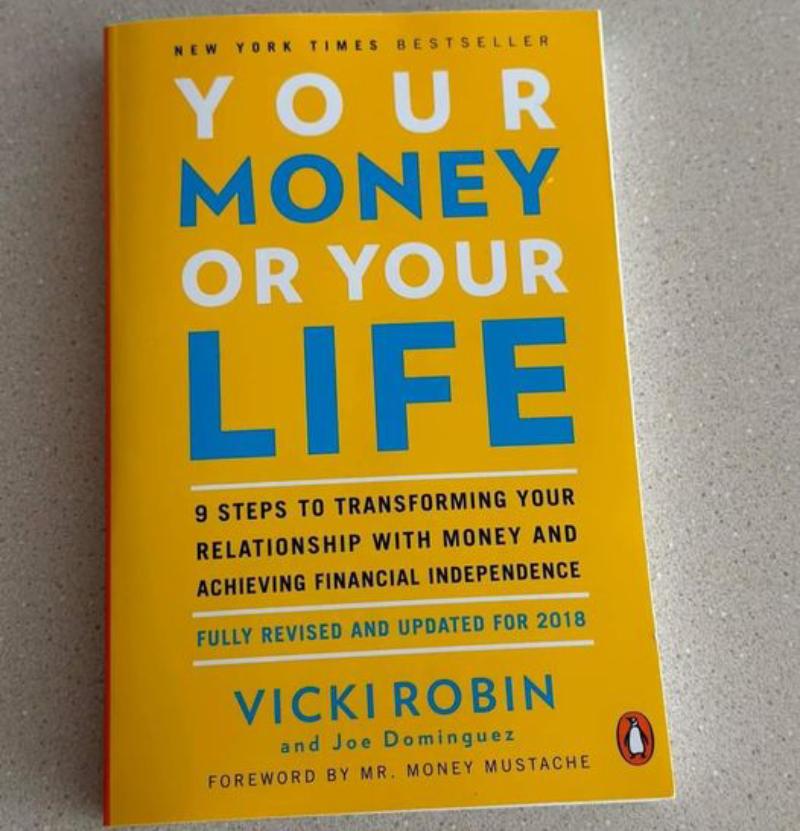
10 TAKEAWAYS FROM THE BOOK, 'YOUR MONEY OR YOUR LIFE'
By Vicki Robin & Joe Dominguez
-
Redefine Money’s Value: Understand the true value of money by calculating the time you spend working for it and considering its impact on your life.
 Nigerian News Leader
First with details then facts
Nigerian News Leader
First with details then facts
By Vicki Robin & Joe Dominguez
Redefine Money’s Value: Understand the true value of money by calculating the time you spend working for it and considering its impact on your life.
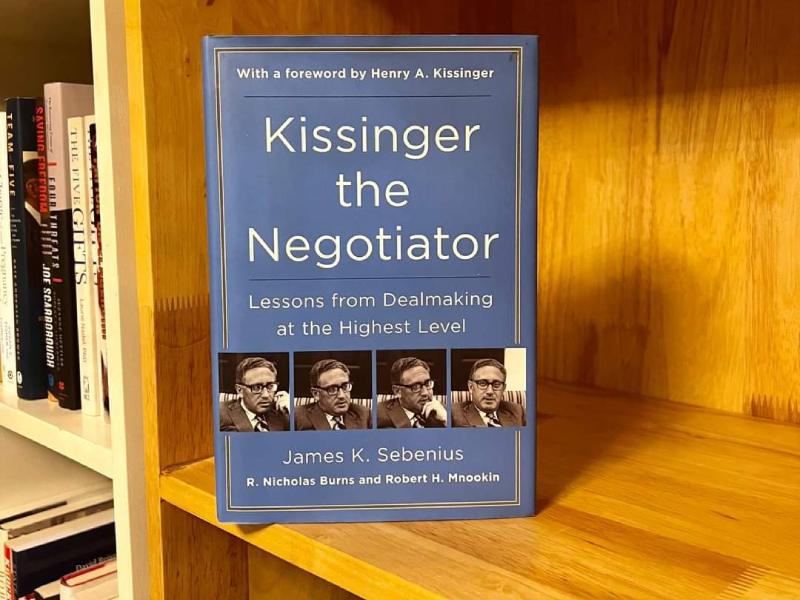
By Robert D. Kaplan
Know your opponent. The first step to negotiating effectively is to understand your opponent's interests, goals, and motivations.
Be prepared to walk away. If you are not willing to walk away from a negotiation, you will never have the upper hand.
Be creative. Don't be afraid to think outside the box and come up with creative solutions that meet the needs of both parties.
Be patient. Negotiations can take time, so be patient and don't expect to get everything you want right away.
Be flexible. Be willing to compromise and be open to new ideas.
Build trust. Trust is essential in any negotiation. Be honest and transparent with your opponent and build trust over time.
Be persistent. Don't give up easily. If you believe in your position, keep fighting for it.
Be willing to take risks. Sometimes you have to take risks in order to get what you want.
Be a good listener. Listening is just as important as talking in a negotiation. Pay attention to what your opponent is saying and understand their point of view.
Be prepared to make concessions. No negotiation will ever be perfect. Be prepared to make concessions in order to reach an agreement.
These are just some of the key takeaways from Kissinger the Negotiator. The book is a valuable resource for anyone who wants to learn more about the art of negotiation. NNL.
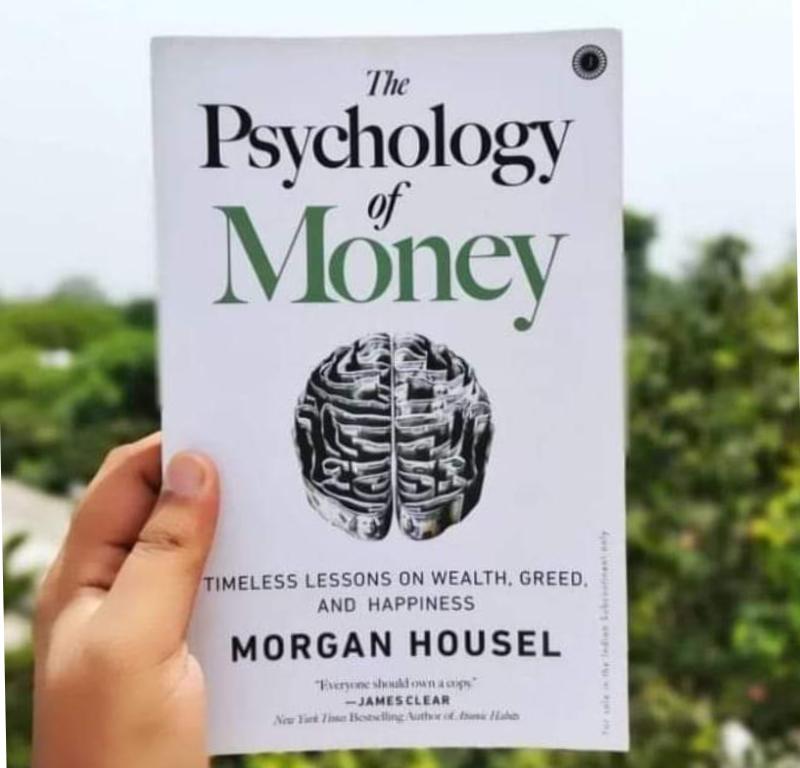
By Morgan Housel
Money is a tool. It's not an end in itself.
Don't let your emotions control your spending. Be mindful of the emotions that can drive you to overspend, and learn to control them.
Invest for the long term. The stock market will go up and down in the short term, but over the long term, it goes up.
Don't try to time the market. No one can predict the future, so don't try to guess when to buy and sell stocks.
Diversify your investments. Don't put all your eggs in one basket. Spread your money across different asset classes to reduce your risk.
Don't be afraid to take risks. But don't be reckless either.
Pay yourself first. Make sure you save money for your future before you spend it on anything else.
Live below your means. The less you spend, the more money you'll have to save and invest.
Don't compare yourself to others. Everyone is on their own journey. Focus on your own financial goals and don't worry about what others have.
Be patient. Building wealth takes time. Don't expect to get rich quick.
Be grateful. Appreciate what you have, both in terms of your financial situation and in your life in general.
Help others. One of the best ways to feel good about your money is to use it to help others.
Be kind to yourself. Everyone makes mistakes. Don't beat yourself up if you make a financial mistake. Just learn from it and move on.
Never give up. The road to financial independence is long and winding, but it's worth it. Keep working hard and never give up on your goals.
Money can't buy happiness. But it can buy peace of mind and security.
The Psychology of Money is a book about the emotional side of money. It's about how our feelings about money can lead us to make bad decisions. It's also about how to overcome these emotional biases and make better financial decisions.
I hope you find these lessons helpful. NNL.
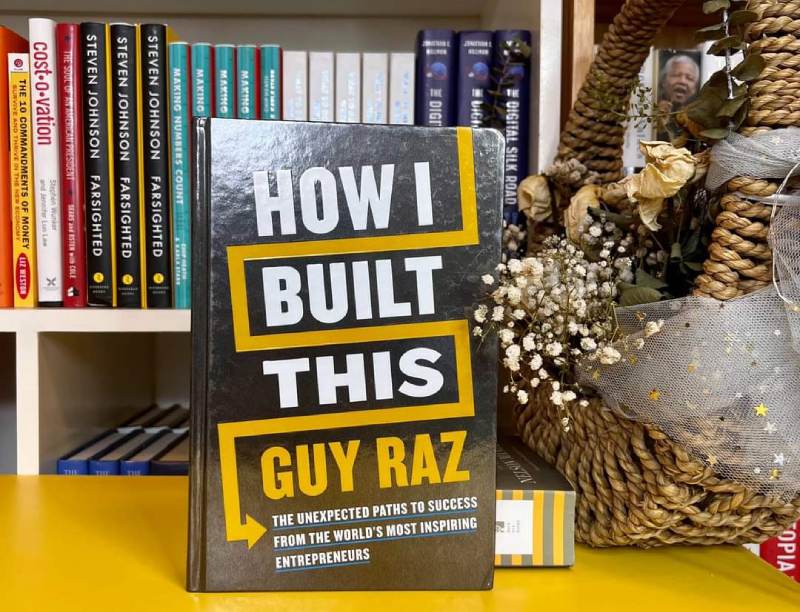
By Guy Raz
Here are the top 10 key takeaways from the book How I Built This: The Unexpected Paths to Success from the World's Most Inspiring Entrepreneurs by Guy Raz:
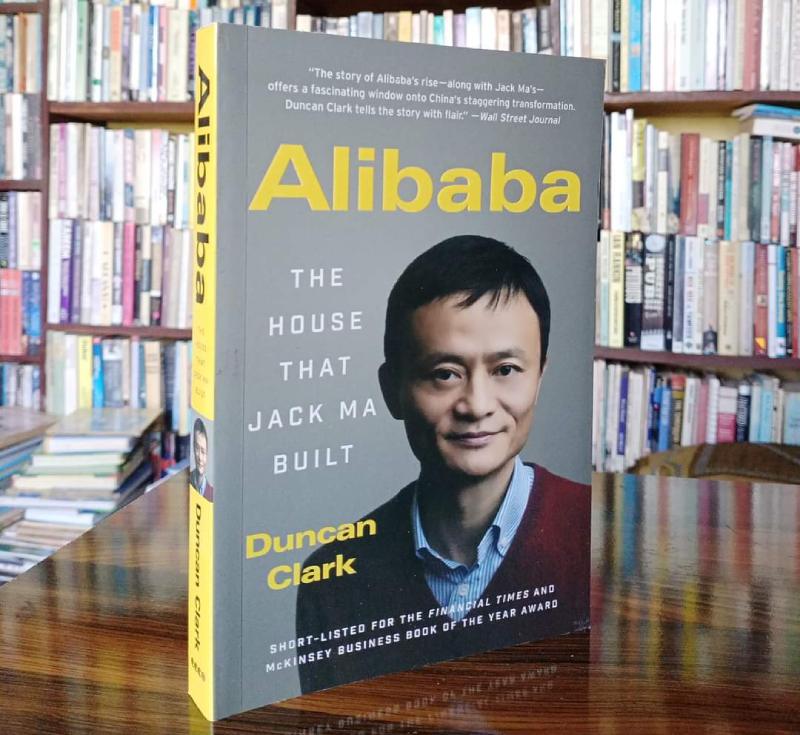
By Duncan Clark
In just a decade and half Jack Ma, a man who rose from humble beginnings and started his career as an English teacher, founded and built Alibaba into the second largest Internet company in the world. The company’s $25 billion IPO in 2014 was the world’s largest, valuing the company more than Facebook or Coca Cola. Alibaba today runs the e-commerce services that hundreds of millions of Chinese consumers depend on every day, providing employment and income for tens of millions more. A Rockefeller of his age, Jack has become an icon for the country’s booming private sector, and as the face of the new, consumerist China is courted by heads of state and CEOs from around the world.
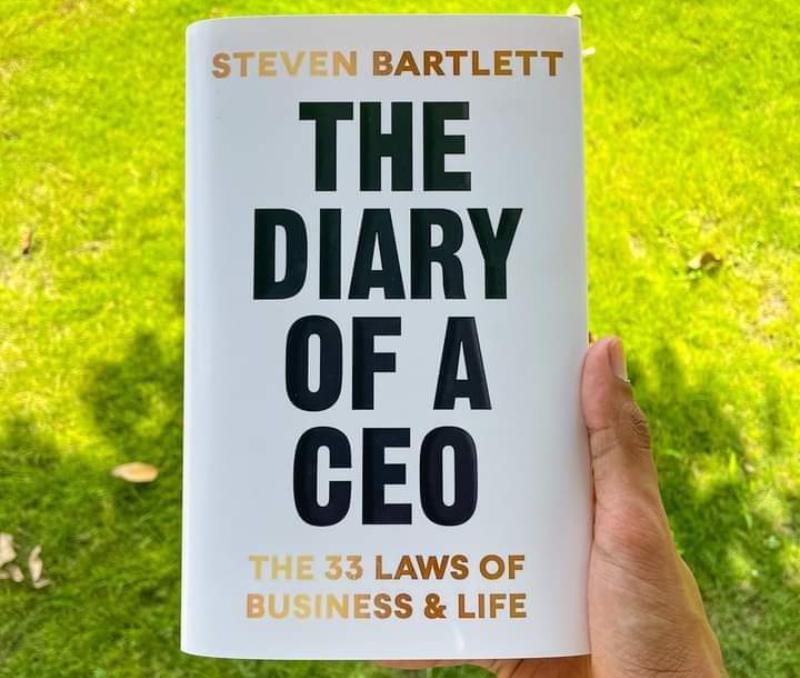
By Steven Bartlett
1. Be authentic. Be yourself and don't try to be someone you're not. People can tell when you're being fake, and it will make it difficult to build trust and rapport.Be honest. Honesty is always the best policy, even when it's difficult. If you're honest with people, they will be more likely to trust you and respect you.
Be transparent. Be open and transparent with people about your business and your goals. This will help build trust and credibility.
Be a good listener. One of the most important skills a CEO can have is the ability to listen well. When you listen to people, you show them that you value their opinions and that you're interested in what they have to say.
Be decisive. CEOs need to be able to make decisions quickly and confidently. Don't waffle or procrastinate when making decisions.
Be accountable. Own your mistakes and be willing to learn from them. Don't blame others for your mistakes.
Be humble. Don't let your ego get in the way of your success. Be willing to learn from others and be open to feedback.
Be resilient. There will be setbacks and challenges along the way. Don't give up when things get tough. Be resilient and keep going.
Be positive. A positive attitude is contagious. When you're positive, it will motivate and inspire others.
Be grateful. Be grateful for the people who have helped you along the way. Show your appreciation for their support.
These are just a few of the many lessons that can be learned from the Diary of a CEO by Steven Bartlett. If you follow these lessons, you will be well on your way to becoming a successful CEO. NNL.
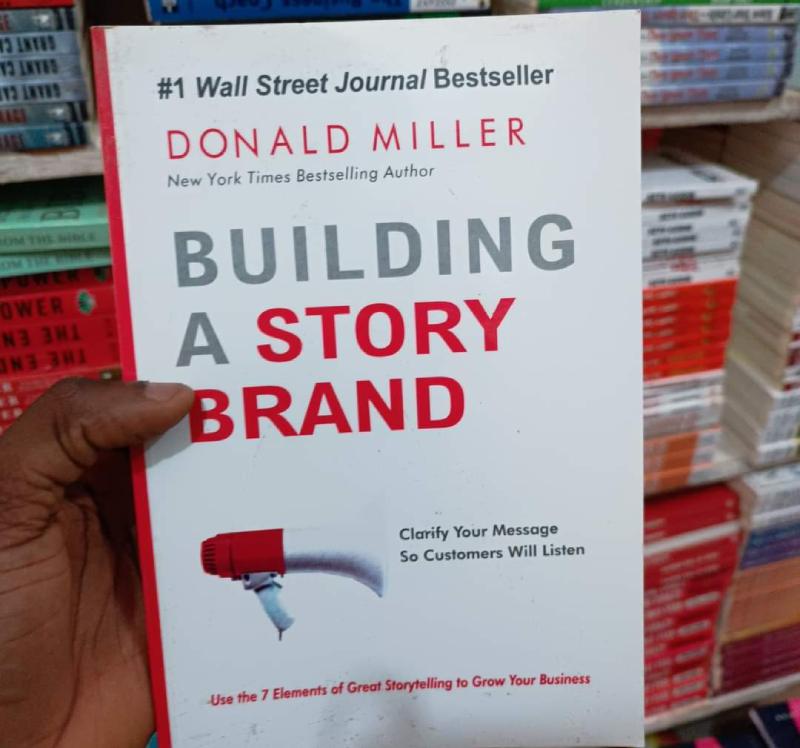
By Donald Miller
Building a StoryBrand by Donald Miller is a book about how to use the power of storytelling to connect with customers and grow your business. Miller argues that all great stories follow a seven-part structure, and that by understanding this structure, businesses can create marketing messages that are more persuasive and engaging.
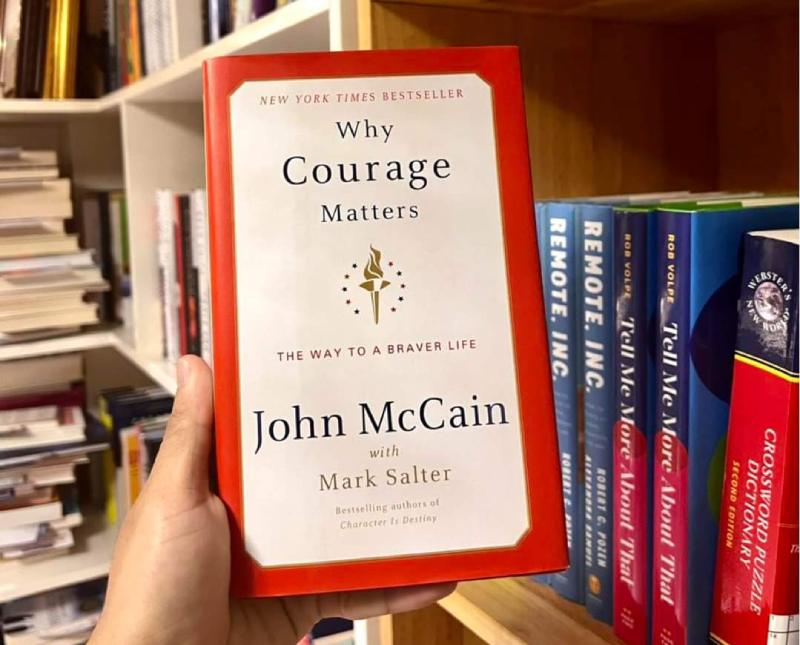
By John McCain and Marshall Salter
Courage is not the absence of fear, but the capacity for action despite our fears.
Courage is not always about doing great things. Sometimes it's about doing the right thing, even when it's difficult.
Courage is often learned through adversity.
Courage is contagious. When we see others being courageous, it inspires us to be courageous ourselves.
Courage is not about being perfect. It's about being willing to try, even when we know we might fail.
Courage is about standing up for what we believe in, even when it's unpopular.
Courage is about speaking out against injustice, even when it's dangerous.
Courage is about taking risks, even when we're afraid.
Courage is about believing in ourselves, even when others don't.
Courage is about never giving up, even when things are tough.
Courage is about finding strength in our weaknesses.
Courage is about finding hope in the darkest of times.
Courage is about making a difference in the world, even if it's just a small one.
Courage is about being kind to ourselves and others.
Courage is about living our lives to the fullest, even when we're afraid.
If we want to live a good life, we need to be courageous. We need to be willing to stand up for what we believe in, even when it's difficult. We need to be willing to take risks, even when we're afraid. And we need to be willing to make a difference in the world, even if it's just a small one.
Courage is not always easy, but it is always worth it. When we are courageous, we make the world a better place. We inspire others to be courageous. And we make our own lives richer and more meaningful. NNL.
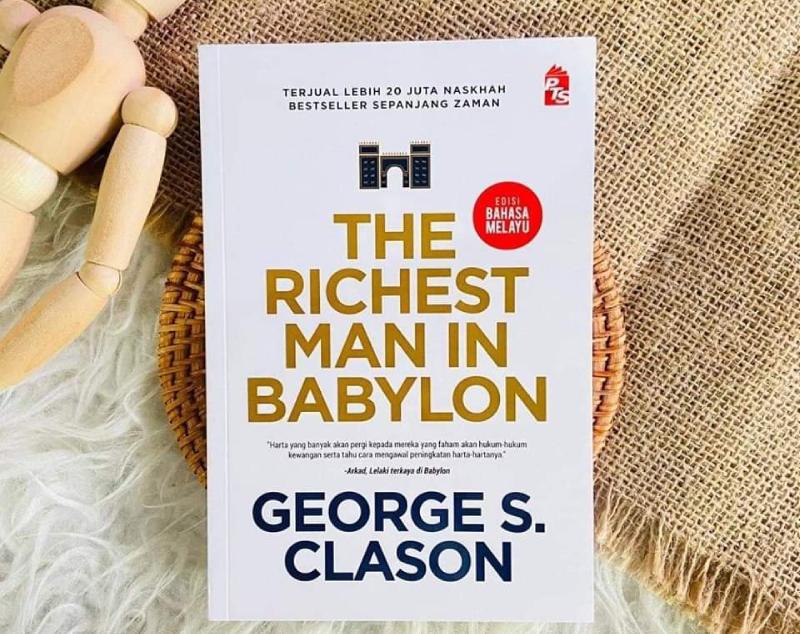
By George S. Clason
The Richest Man in Babylon is a 1926 book by George S. Clason that dispenses financial advice through a collection of parables set 4,097 years ago in ancient Babylon. The book remains in print almost a century after the parables were originally published, and is regarded as a classic of personal financial advice.

By Capt. Evarest Nnaji (Odengene)
As we take seriously the need for a realistically more robust economic activities cum development of Southeast Nigeria where potentials of Ndigbo could be harnessed and deployed towards the end of attaining the full economic potential possibilities and economy of scale befitting of a people whose ingenuity and can-do spirit permeate all spheres of business endeavour, there is the need to firstly identify realisable paths to which focus should be placed in order to achieve the aim of industrialization and commercialization of the zone and in record time without frustration.

1. Money doesn’t attract money. Money attracts thieves. Value attracts money. The quicker you come to terms with this principle, the faster you move up the echelons of life.
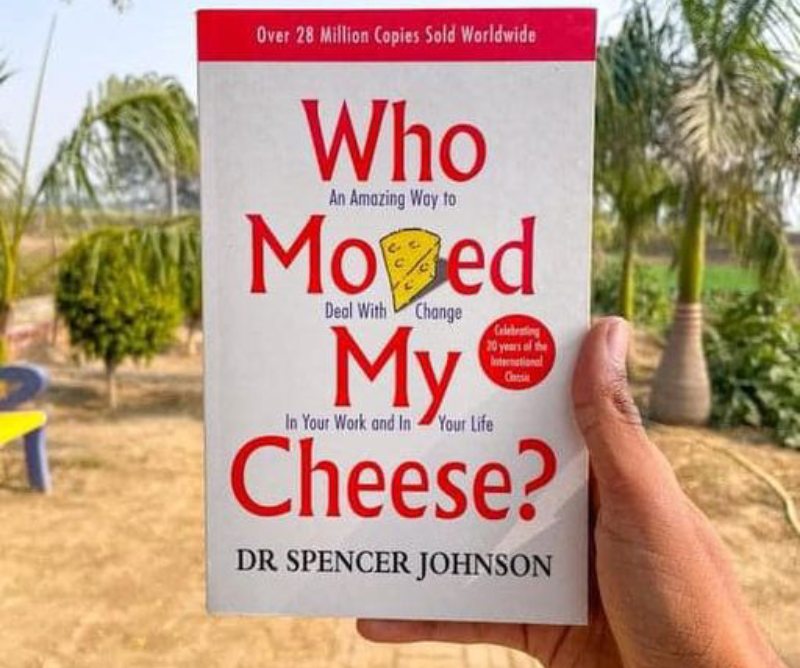
By Spencer Johnson
Change is inevitable. Things change in life, and we need to be prepared for that.
We can't control change, but we can control how we react to it. We can choose to resist change or we can choose to adapt to it.
If we don't change, we'll be left behind. The world is constantly changing, and if we don't keep up, we'll be left behind.
We need to be willing to let go of the old in order to embrace the new. The old cheese represents our comfort zone, and it can be difficult to let go of it. But if we don't, we'll never be able to find new cheese.
We need to be proactive in our search for new cheese. We can't just sit back and wait for change to happen to us. We need to be proactive in our search for new opportunities.
We need to be prepared to take risks. Change often involves taking risks, but it's important to remember that the only way to grow is to step outside of our comfort zone.
Enjoy the journey. Change can be challenging, but it's also an opportunity to grow and learn. So embrace the journey and enjoy the ride.
These are just a few of the lessons that can be learned from Who Moved My Cheese?. If you're looking for a way to deal with change in your life, I highly recommend reading the book. It's full of valuable insights and advice that can help you move forward with your life. NNL.