
By Sobechukwu Okafor
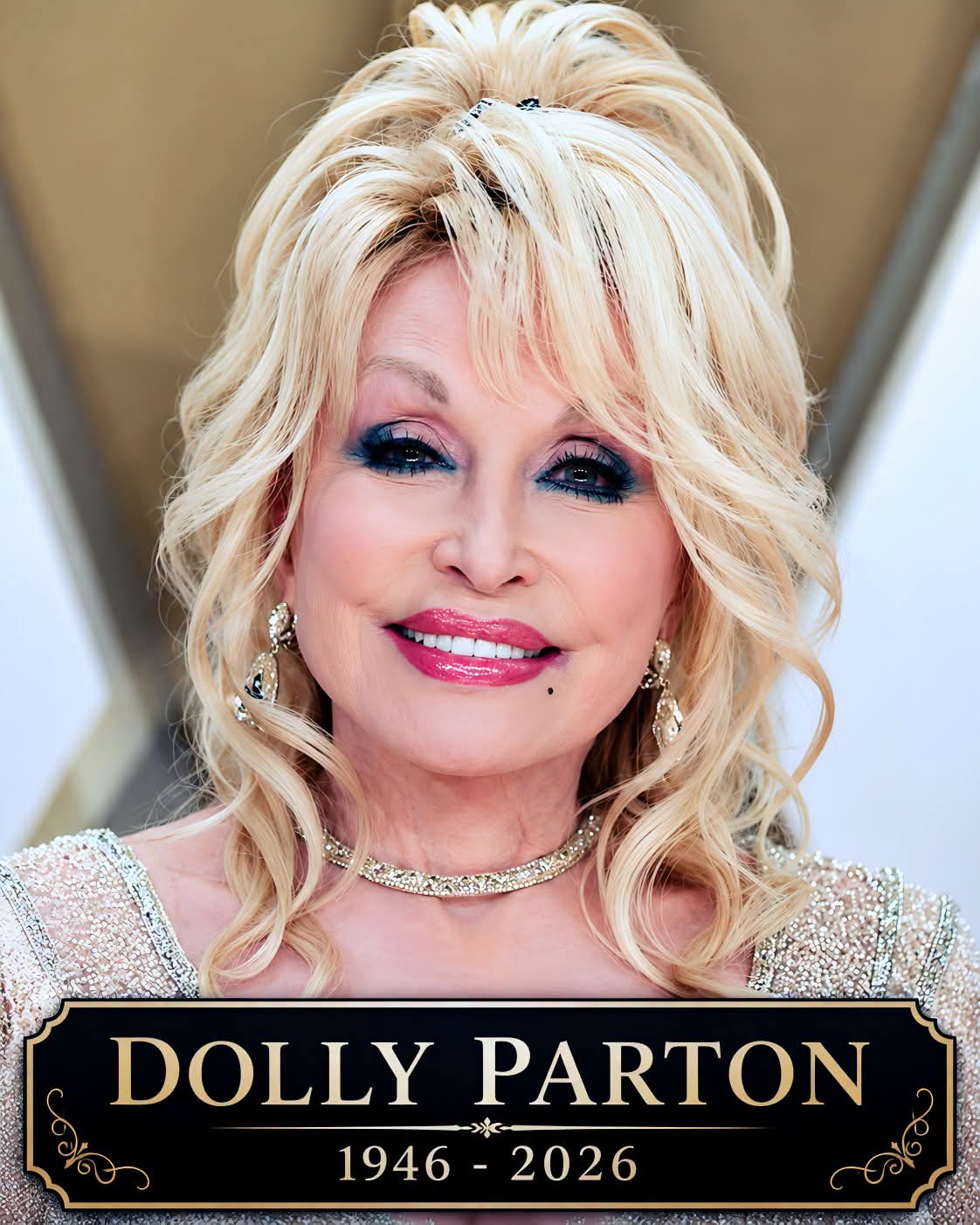
Global country music maestro, Dolly Parton, looked like a rhinestone goddess with a voice like an angel, but beneath the big hair and bigger heels, beat the mind of a steel-eyed businesswoman.
Parton, who passed away this week at 80, built a music and business empire on a foundation of fierce independence, razor-sharp instincts, and a simple, unshakeable rule: never give away what you own. Her story is not just one of country music stardom, but of a woman who out-thought, out-maneuvered, and out-earned an industry that often underestimated her.
The Song That Could Have Been Elvis's
Perhaps the defining moment of Parton's business career came in the early 1970s when she received the call every songwriter dreams of: Elvis Presley wanted to record her song, I Will Always Love You. The 1974 hit, written as a heartfelt farewell to her mentor and business partner Porter Wagoner, had already reached No. 1 on the Billboard Hot Country Songs chart. Dolly Parton was ecstatic.
But the night before the recording session, Presley's notoriously ruthless manager, Colonel Tom Parker, called with an ultimatum. According to Parton, he informed her: "You know, we don't record anything with Elvis unless we have the publishing, or at least half the publishing" .
The demand was a dealbreaker. "I said, 'Well, that throws a new light on this because I can't give you half the publishing. I'm gonna leave that to my family. I can't do that'" . Parton recalled that others told her she was "nuts" to turn down the King of Rock and Roll. Her refusal sent her to bed in tears. "I cried all night. Oh, I just pictured Elvis, like, singing it," she later confessed .
Yet, something in her heart told her to hold firm. "These are my songs. They're like my children," she once said of her publishing rights. "And I expect them to support me when I'm old". That instinct would prove to be one of the shrewdest business decisions in music history.
The Whitney Houston Windfall
In 1992, Whitney Houston's iconic rendition of I Will Always Love You for the film The Bodyguard became a global phenomenon. The single spent 14 weeks at No. 1 on the Billboard charts and is the sixth biggest-selling single in history, with 20 million copies sold. Because Parton owned the publishing rights, every single play, stream, and album sale generated royalties. She earned approximately $10 million from Houston's version in the 1990s alone .
With characteristic humor, Parton later quipped that when Houston's version came out, "I made enough money to buy Graceland". Her decision to hold onto the rights to "I Will Always Love You" remains one of the greatest business moves in music history, a testament to her long-term vision and refusal to be pressured into a bad deal.
The Empire: Net Worth and Business Ventures
Parton's song-writing catalog, which contains more than 3,000 songs, was valued by Forbes at approximately $120 million at the time of her death. She wrote 49 solo studio albums over a career that spanned more than six decades. Her music attracted 16.2 million monthly Spotify listeners, with Jolene streamed more than 950 million times. Each radio play generates approximately eight cents, and the sheer volume of her catalog ensures a constant flow of income.
But Parton's empire extended far beyond music. Her 50% stake in Dollywood, the Pigeon Forge theme park that draws around 4 million visitors annually, was the cornerstone of her wealth, valued as part of a broader business portfolio that included the Splash Country water park, the DreamMore Resort, and the HeartSong Lodge .
She also ventured into film and television through Sandollar Productions and developed a portfolio of consumer goods, including the Dolly Beauty cosmetics line and a partnership with Duncan Hines. At the time of her death, Forbes estimated her net worth at approximately $450 million . She had reportedly given away as much as $500 million to charity over her lifetime, underscoring that her fortune was far less than the sum of her generosity .
Thinking Like a Man in a Man's World
Parton often said something that became one of her most famous quotes. In a 2009 interview on 60 Minutes, she explained her business philosophy: "You know, I look like a woman, but I think like a man. In this world of business, that has helped me a lot. Because by the time they think that I don't know what's going on, I done got the money and gone" .
The quote was a masterclass in strategic self-deprecation. Parton used her exaggerated, hyper-feminine image as camouflage, allowing her to be underestimated by male business partners while she quietly secured the best deals. She never let her appearance define her capabilities, and she often used it to her advantage.
The Rocky Road and the Crossover Queen
Parton's path to stardom wasn't without its bumps. By the mid-1980s, her pop crossover attempts led some "old-time fans" to feel she was spending too much time courting the mainstream, and her singles stopped reaching the Top Ten. RCA Records declined to renew her contract in 1986 .
However, Parton never let a failure define her. She signed with Columbia Records, and in a brilliant strategic move, she joined forces with Linda Ronstadt and Emmylou Harris to record the rootsy Trio album. The album was a huge critical and commercial hit, reaffirming her artistic credibility . She had seamlessly transitioned from country roots to pop stardom with hits like 9 to 5 and Here You Come Again, and even experimented with disco, proving she could move between genres with remarkable ease .
The Rock Star Finale
In 2022, Parton was nominated for induction into the Rock & Roll Hall of Fame. Her response was unprecedented: she said no . "I don't feel that I have earned that right," she explained . The Rock Hall respectfully rejected her rejection and inducted her anyway.
True to her word, Parton then did something that proved she was a legend in any genre. She released Rockstar, a 30-track rock album of nine original songs and 21 covers of classic rock tunes, many performed with the original artists including Paul McCartney, Elton John, Stevie Nicks, and more . Her final pivot to rock solidified her status as a woman who never stopped evolving and who always kept her promises. As she once said, "You have to take care of your business. Everybody's going to use you if they can" . Dolly Parton took care of her business better than almost anyone, and in doing so, built a legacy that will outlast us all.
The Parton family has asked that, in lieu of flowers, donations be made to Dolly Parton's Imagination Library. NNL.