
By Chinwendu Agoha (Media & Governance Correspondent)
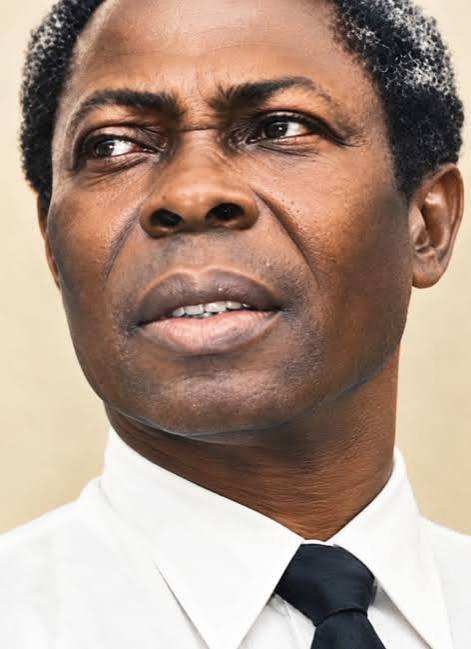
The Ernest Ikoli Foundation has described the late Chief Ernest Sesei Ikoli as a courageous nationalist, deep thinker and liberator whose contributions to journalism and Nigeria’s independence struggle remain relevant to contemporary leadership.
The foundation also called on world leaders to emulate his virtues of integrity, discipline, courage, humility and commitment to national unity.
In a statement titled “The Life and Times of Ernest Sesei Ikoli,” signed by its Vice Chairman, Chief Anthony George Ikoli, SAN, the foundation praised the late nationalist for promoting unity among Nigeria’s diverse ethnic groups and using journalism and political engagement to challenge colonial rule.
“Chief Ernest Ikoli was committed to the unity of the people, believing that it was the effective way of fighting the colonial masters,” the statement said.
Born on March 25, 1893, in Brass, present-day Bayelsa State, Ikoli was a pioneering Nigerian journalist and politician who edited several newspapers, including the Lagos Weekly Record, African Messenger, Daily Times of Nigeria and The Daily Service.
He became the first African editor of the Daily Times of Nigeria in 1926 and used the press to challenge colonial policies and promote political awareness.
Beyond journalism, Ikoli served as president of the Nigerian Youth Movement and represented Lagos in the colonial Legislative Council, where he advocated open government, improved working conditions and greater Nigerian participation in governance.
He was also associated with Marcus Garvey’s Universal Negro Improvement Association, advancing ideas of black emancipation and Pan-African solidarity.
The foundation recalled that Ikoli’s opposition to racial discrimination, commitment to self-determination and ability to mobilise Nigerians across ethnic boundaries distinguished him among the country’s early nationalists.
It urged present-day political leaders to embrace his selflessness, fairness and dedication to public service, while encouraging journalists to uphold the courage and independence that characterised his professional career.
Ikoli died on October 21, 1960, barely three weeks after Nigeria gained independence from Britain.
The foundation said his legacy remains a reminder that national unity, principled leadership and a courageous press are essential to building a just and prosperous society. NNL.